
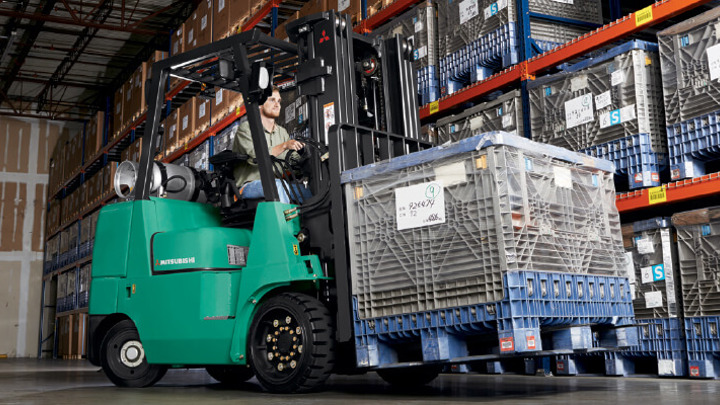
Understanding Forklift Load Capacity
Understanding Forklift Load Capacity: Why It Matters for Safer Operation
Safety is essential for every forklift operator, no matter the industry or application. Proper forklift training includes understanding the equipment, the work environment, and key safety procedures such as:
- Knowing the purpose and function of all forklift features (horn, alarms, controls, etc.)
- Identifying workplace hazards and how to avoid them
- Using the forklift only for its intended purpose
- Traveling at safe speeds, maintaining proper visibility, and keeping the load at a safe, lowered height
- Always securing the load correctly
- Never exceeding the forklift’s rated load capacity
That last point is one of the most important factors in forklift safety. Below, you’ll learn why forklift load capacity matters and how it affects stability, performance, and overall workplace safety.
What Is the Load Capacity of a Forklift?
A forklift’s maximum load capacity, or weight capacity, is the maximum rated load the truck can lift based on its configuration and attachment setup. This capacity is listed on the forklift’s load capacity data plate and only applies when the load center matches the specified position.
If the load’s center of gravity shifts—due to shape, size, or uneven distribution—the forklift’s usable weight capacity decreases. Because loads vary widely in design, operators must understand how these factors affect safe lifting.
How Much Weight Can a Forklift Carry?
The maximum weight a forklift can safely carry depends on:
- Load size
- Load position
- Weight distribution
- Forklift design and mast height
- Attachments used
- Whether additional counterweight is required
For example, the same 2,000‑lb load can affect capacity differently depending on how it is positioned. A vertically stacked load keeps the center of gravity closer to the forklift, while a long, horizontal load extends farther outward and may reduce the rated lifting capacity.
Some forklifts may also require additional counterweight to maintain stability. Every lift truck is engineered around the principle of balance, using the front wheels as the fulcrum and the load center on the forks as the key measurement point.
Attachments—such as side shifters, carton clamps, or fork positioners—also influence load capacity. Even lightweight attachments can reduce maximum capacity because they change the load center and add weight in front of the mast.
Forklifts with tall masts or high‑reach capabilities may have different capacity ratings at different lift heights, which are listed on the data plate and in the operator’s manual.
Risks of Exceeding Forklift Load Capacity
Exceeding a forklift’s weight capacity can lead to serious safety hazards, including:
- Tip-overs
- Dropped loads
- Loss of steering control
- Reduced braking ability
To prevent these risks, operators should:
- Locate and understand the forklift’s load capacity data plate
- Know how load weight, size, shape, and center of gravity impact rated capacity
- Keep the load as close to the mast as possible
- Position the heaviest part of the load toward the forklift
- Avoid assumptions—always verify the load weight
What Is a Forklift Load Capacity Data Plate?
Every forklift includes a load capacity data plate (also called a nameplate, data plate, weight plate, or load plate). This information is typically placed where the operator can easily view it during operation.
The data plate may include:
General forklift details
- Make and model
- Serial number
- Forklift type
Equipment and component information
- Tire type and size
- Mast type
- Front tire tread
Weight and load information
- Truck weight
- Battery weight (for electric forklifts)
- Attachments used in the rating
- Rated load capacity
- Maximum lift height
- Approved load center distances
A legible, accurate data plate is essential for OSHA compliance and overall forklift safety.
How to Avoid Forklift Load Capacity Issues
To maintain safe, efficient forklift operation, follow these best practices:
- Ensure operators receive proper training and follow the operator’s manual
- Confirm the forklift is in safe working condition
- Never exceed rated capacity on the data plate
- Choose forklifts with a load capacity higher than the maximum weight required
- Verify the data plate is readable and matches the current attachment configuration
- Train operators to verify load weight before lifting—never guess
- Keep loads low while traveling and maintain full control at all times
Operator awareness and training are the most effective ways to prevent accidents and maintain a safe material handling environment.
If you have questions about forklift load capacity or safe lift truck operation, contact your local Cat® Lift Trucks dealer for assistance.