
4 Practices That Reduce Forklift Life Span (and How to Prevent Them)
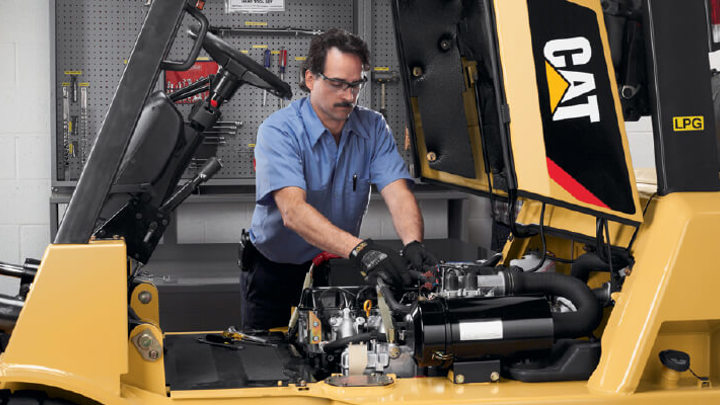
No crystal ball needed - Avoid these practices and follow a planned forklift maintenance schedule to increase lift truck life, productivity and uptime.
Understanding what affects your forklift’s life span is essential for reducing downtime, avoiding costly repairs, and maintaining a productive fleet. After decades of material handling experience across the industry, experts can predict when certain practices lead to premature forklift wear—and the clues are often easy to spot.
Below are the top four practices that shorten forklift life span and how your operation can avoid them.
1. Lack of Planned Maintenance (PM)
Skipping or delaying planned forklift maintenance is one of the leading causes of premature forklift failure. Even if a truck appears to be operating normally, internal components are constantly wearing, and without routine service, small issues can quickly become major ones.
Why planned maintenance matters
- Lubricants and hydraulic fluids degrade over time, increasing component wear.
- Dirty or contaminated fluids can damage entire systems, leading to costly repairs.
- Unchecked leaks can cause hydraulic or mechanical failure, not to mention product damage.
- Regular PM visits help technicians identify worn hoses, damaged parts, and early signs of failure.
Remember: The 1 hour your forklift spends in PM is nothing compared to days of downtime from a major component failure.
How to avoid this
If you don’t have time to create and manage a maintenance schedule, your local forklift dealer can set up a PM program tailored to your operating hours, application, and fleet size.
2. Using Forklifts to Push, Shove, or Tow
Forklifts are designed to lift and transport loads, not to push, drag, or tow them. Using a forklift incorrectly puts severe stress on the truck.
Damage caused by improper use (electric forklifts)
- Overheating of control panel components
- Excessive current draw that wears traction motors
- Increased battery cable temperatures
- Reduced battery run time
- Stalled motors and blown traction fuses
- Damage often not covered under warranty
Damage caused by improper use (IC forklifts)
- Excessive fuel and oil consumption
- Overheated engines and transmissions
- Premature brake wear
- Gearcase strain and damage
These failures can occur almost immediately—sometimes in just a few seconds—if an operator pushes against an immovable object.
How to avoid this
Train operators on correct forklift use and establish clear guidelines. Your local forklift dealer can assess your workflow and offer recommendations to prevent misuse.
3. Ignoring Operators and Daily Pre‑Shift Inspections
Your operators often notice issues before anyone else. If you’re not reviewing pre‑shift inspection forms or listening to operator feedback, you may be missing:
- Signs your forklifts are aging
- Recurring issues that are simple to fix
- Dangerous conditions that could lead to accidents or damage
How to avoid this
Partner with your forklift dealer’s service team. During PM visits, technicians typically speak with operators to understand performance issues and make adjustments that align with your application and recommended truck settings.
4. Overuse of Forklifts in High‑Cycle Applications
Today’s forklifts are more durable than ever. Still, constant operation at or near full capacity accelerates wear—especially in high‑cycle, multi‑shift environments.
Running equipment at its limits strains:
- Hydraulic systems
- Brakes
- Motors
- Drive components
How to avoid this
Ask your local dealer to recommend a PM schedule based on actual hours of use, not just calendar intervals. High‑cycle applications often require more frequent service.
5. A Positive Practice That Extends Forklift Life
Working with a knowledgeable forklift dealer is one of the best ways to extend fleet life. Through scheduled visits and PM programs, your dealer can:
- Identify performance issues early
- Recommend timely replacements
- Adjust maintenance intervals as your application evolves
- Help maximize productivity and equipment longevity
How Much Does Forklift Maintenance Cost?
Maintenance costs vary depending on:
- How well you follow a planned maintenance schedule
- Whether the forklift is used properly
- The consistency of daily inspections
- The age and condition of the equipment
With proper care, your lifetime forklift costs can be drastically reduced.
Contact your local Mitsubishi forklift truck dealer to learn more about our forklift planned maintenance options, good lift truck practices, and practices to avoid for maximum truck life and productivity. We’re here to make your business more efficient.