
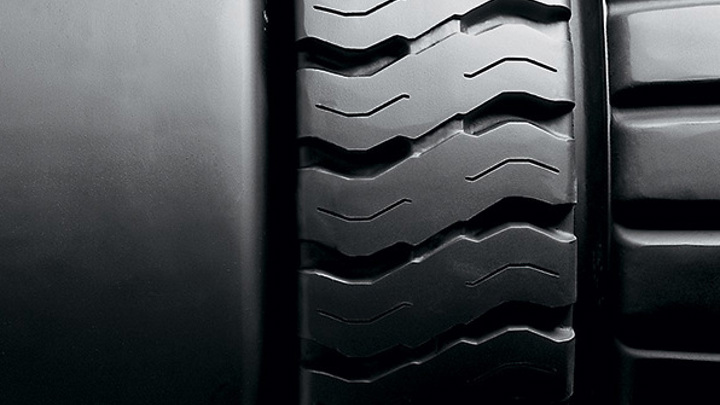
Choosing the Right Tires for Your Forklift
Choosing the right forklift tires is critical to maximizing performance, safety, and cost‑efficiency in any material handling operation. The tires you select directly affect traction, stability, fuel efficiency, load handling, and the overall lifespan of your equipment. With several options—cushion tires, pneumatic tires, solid pneumatic tires, polyurethane tires, and non‑marking tires—it’s important to match the tire type with your specific application and operating environment.
Start with Your Operating Environment
Your work environment is the biggest factor in choosing the right forklift tire.
Indoor or Outdoor Use
- Indoor operations
Best suited for cushion tires or polyurethane forklift tires. These are ideal for warehouses, distribution centers, and facilities with smooth concrete floors. - Outdoor environments
Require pneumatic or solid pneumatic tires due to uneven terrain, debris, and weather exposure.
Floor Conditions
- Smooth, flat floors:
Cushion or polyurethane tires offer quiet operation, smooth handling, and increased energy efficiency. - Rough or uneven surfaces:
Pneumatic or solid tires offer improved traction, shock absorption, and durability.
Consider Your Load Capacity & Run Length
Understanding how much weight your lift trucks handle—and how far they travel—can help determine the right tire compound and type.
Heavy Loads & Long Travel Distances
- Choose solid pneumatic tires or reinforced heavy‑duty tires
- Designed for high‑stress applications and continuous operation
- Reduce the risk of blowouts and premature wear
Light Loads & Short Runs
- Cushion tires or polyurethane tires
- Cost‑efficient, low maintenance, and excellent for confined indoor spaces
Forklift Tire Types at a Glance
Cushion Tires
- Made of solid rubber
- Ideal for smooth indoor floors
- Lower cost and maintenance
- Not suitable for rough outdoor surfaces
Pneumatic Tires
- Air‑filled, similar to truck tires
- Better shock absorption and operator comfort
- Best for uneven outdoor terrain
Solid Pneumatic Tires
- No air—meaning no flats
- Extremely durable and long‑lasting
- Perfect for harsh outdoor environments or debris‑prone areas
- Often last 2–3x longer than pneumatic tires
Polyurethane Tires
- Lightweight and energy‑efficient
- Highly resistant to chemicals, oils, and floor debris
- Non‑marking options available
- Carry up to 54% more weight than pneumatics
- Excellent for electric forklifts and indoor warehousing
Non‑Marking Tires
- Available in cushion, solid, and polyurethane styles
- Prevent black marks on floors
- Popular in:
- Food and beverage operations
- Bottling plants
- Pharmaceuticals
- Textiles
- Cleanrooms
Why the Right Tire Choice Matters
Selecting the right forklift tire improves:
- Operator safety and comfort
- Equipment performance and fuel efficiency
- Stability and load handling
- Tire lifespan and maintenance costs
The correct tire compound can increase tire life by 35–40%, reducing downtime and maximizing efficiency.
Pro Tip: Consult Your Forklift Tire Provider
Every facility has unique challenges—floor conditions, load types, travel distances, climate, and operating hours. Contact your local UniCarriers Forklift dealer to help match your tire to your application, preventing premature wear, equipment damage, and unexpected downtime.