
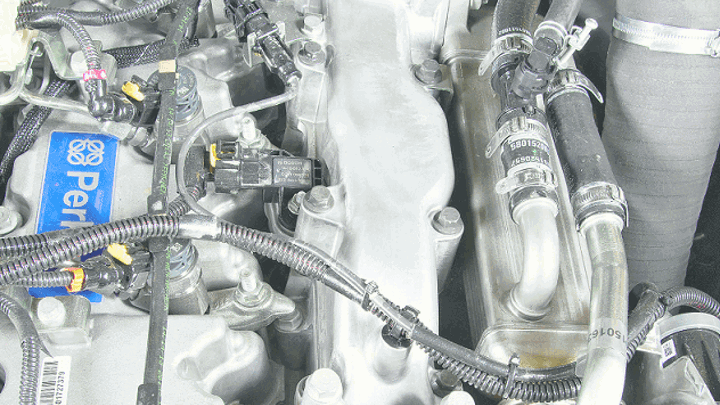
What Are Tier 4 Forklift Engines?
When shopping for a new or used forklift, you may see the term “Tier 4” used to describe diesel forklift engines. Tier 4 refers to a set of EPA emissions standards designed to significantly reduce harmful exhaust from off‑highway equipment. But what exactly makes a forklift engine Tier 4 compliant—and how does it affect lift truck performance, maintenance, and operating costs?
This guide breaks down what Tier 4 means, how manufacturers meet the standard, and what your business should know when evaluating diesel forklifts or alternative fuel options.
What Is Tier 4?
Tier 4 emissions standards were introduced by the U.S. Environmental Protection Agency (EPA) to reduce emissions from off‑highway diesel engines, including those used in forklifts, tractors, excavators, and other heavy equipment. These regulations were created to bring off‑highway machinery closer to the emissions standards of on‑road trucks and buses.
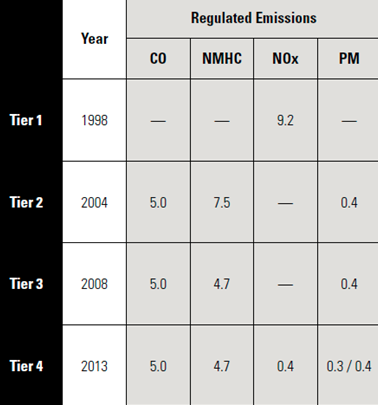
Tier 4 was rolled out in two phases, impacting engines ranging from 56–560 kW, and represents the final step in a multi‑tier regulatory approach that began in 1988.
Tier 4 Targets Significant Emissions Reductions
Compared to Tier 3, Tier 4 standards require:
- 90% reduction in nitrogen oxide (NOx)
- 90% reduction in particulate matter (PM) such as soot and combustion byproducts
These improvements dramatically reduce environmental impact while pushing manufacturers to innovate new diesel engine technologies for material handling equipment.
How Tier 4 Standards Affect Forklift Buyers
Any diesel forklift manufactured after January 1, 2013 is required to meet Tier 4 emissions standards. While some businesses were initially concerned about cost or performance trade‑offs, the push toward cleaner engines has also led to advancements in:
- Fuel efficiency
- Engine reliability
- Reduced downtime
- Lower long‑term operating costs
In many cases, Tier 4 diesel forklifts now outperform older generations in both productivity and operating efficiency.
How Manufacturers Achieve Tier 4 Compliance
To meet the stringent EPA standards, manufacturers use various technologies—often in combination—to reduce emissions while maintaining strong lift truck performance.
Common Tier 4 Emissions Technologies
1. Diesel Particulate Filters (DPF)
Traps particulate matter from the exhaust to prevent harmful soot from entering the air.
2. Selective Catalytic Reduction (SCR)
Uses a catalyst and urea‑based fluid (DEF) to reduce NOx emissions.
3. Diesel Oxidation Catalysts (DOC)
Oxidizes emissions in the exhaust stream, converting them into less harmful gases.
4. Turbochargers
Increase engine efficiency and power output, often allowing downsizing of the engine while maintaining performance.
Together, these systems help diesel forklifts meet emissions standards without compromising productivity.
Benefits of Tier 4 Forklift Engines
While the transition to Tier 4 diesel forklifts can involve higher upfront costs, the operational advantages often offset the investment. Modern Tier 4 diesel engines offer:
- Up to 18% greater fuel efficiency
- Fuel saver modes, reducing consumption by up to 14%
- High uptime and reduced downtime
- Lower routine maintenance requirements
- Cleaner, more environmentally friendly operation
For high‑capacity or outdoor applications, Tier 4 diesel forklifts remain a strong option that balances power, performance, and compliance.
Choosing the Right Lift Truck Technology
Tier 4 regulations prompted many businesses to reassess their overall forklift fleet and weigh the benefits of different fuel types, including:
- Electric forklifts
- LP forklifts
- Gas forklifts
- Diesel forklifts (Tier 4 compliant)
In many applications—especially indoor warehousing—electric forklifts now rival internal combustion forklifts in performance, while also offering lower emissions and reduced maintenance.
Selecting the right forklift depends on:
- Required capacity
- Environment (indoor vs. outdoor)
- Operating hours
- Duty cycle
- Emissions requirements
- Total cost of ownership
A thorough evaluation helps ensure your lift truck selection supports both your operation and your sustainability goals.
If you have questions about Tier 4 emissions standards or finding the right forklift for your business, contact your local Cat Lift Trucks dealer. They will help determine the best solution for you based on your business needs, environment and required lift capacities.