
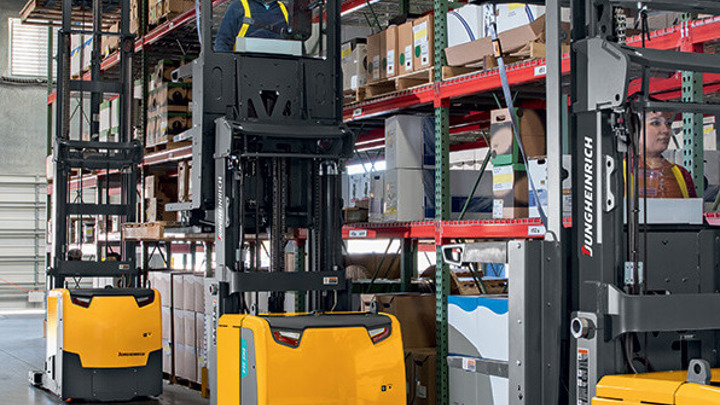
Why Short‑Term Forklift Rentals Can Reduce Costs and Improve Productivity
For many businesses, flexibility is essential—and renting forklifts can be one of the easiest ways to control costs during periods of increased demand. Whether you need to replace a lift truck that’s down for repair, handle seasonal spikes, or test new equipment, understanding forklift rental agreements can help you maximize the value of your short‑term rental.
Key Business Factors to Consider Before Renting a Forklift
Before choosing a short‑term forklift rental, consider why you need the additional equipment. Renting a lift truck can be the most cost‑effective option when you need to:
- Replace existing forklifts that are out for service
- Accommodate temporary high‑capacity or extended‑reach needs
- Meet seasonal increases in material handling demand
- Maintain productivity until a new forklift fits the budget
- Test different forklift models before making a purchase decision
Short‑term rentals give your business the flexibility to scale quickly—without long‑term financial commitments.
Forklift Rental Costs Are Temporary—but the Benefits Are Long‑Term
A short‑term forklift rental offers budget-friendly flexibility, especially for companies not ready to invest in purchasing material handling equipment. For many operations, rentals help address key financial questions:
- Do you need more flexibility in your capital budget?
- Is additional capital required for other areas of business growth?
- Would you rather leave forklift maintenance to your local forklift dealer?
- Do you want guaranteed uptime with a full-maintenance rental agreement?
Renting can help businesses avoid long-term ownership costs, especially when maintenance, repairs, or fleet replacement cycles become unpredictable.
How Much Does It Cost to Rent a Forklift?
If you’ve never rented before, you may be surprised at how affordable forklift rental rates can be. Many companies hold onto owned lift trucks far longer than financially makes sense—often spending more on repairs than the forklift is worth. With a short-term rental, you can get a reliable, industry‑leading forklift without the high upfront investment.
Understanding Forklift Rental Agreements
To get the most value from your forklift rental—especially if your needs go beyond a short-term period—talk with your local forklift dealer. Understanding the details of your operation helps ensure you get the right equipment for your application.
Discuss the following with your dealer:
1. Required Forklift Specifications
- Load weights and dimensions
- Required lift heights
- Floor surface and operating conditions
- Any special attachments, lights, alarms, or safety features
2. Type of Equipment Needed
Do you need rental equipment for unique or short‑term operations, such as:
- High‑capacity forklifts
- Narrow aisle forklifts
- Rough terrain forklifts
- Boom lifts, scissor lifts, or pallet jacks?
Each application may require a different type of material handling equipment.
3. Battery and Charging Requirements (for Electric Forklifts)
Some electric forklift batteries require specific chargers that must be hard‑wired by a professional electrician. Make sure to review:
- Battery type
- Charging requirements
- Onsite electrical compatibility
4. Rental Duration and Hourly Usage
Clarifying your timeline can help reduce costs:
- Determine how long you will need the forklift
- Ask about long‑term rate discounts
- Understand overtime charges beyond the standard 8‑hour day / 40‑hour week
5. Damage, Insurance, and Return Process
Before your rental begins:
- Review the damage evaluation process
- Understand what your company’s insurance covers
- Ensure the operator and facility are protected in the event of an injury or property damage
Is a Forklift Rental Right for Your Business?
Short‑term forklift rentals help businesses stay productive, control expenses, and respond quickly to changing material handling demands. To explore your rental options, contact Logisnext for expert guidance and a rental plan that fits your needs.