
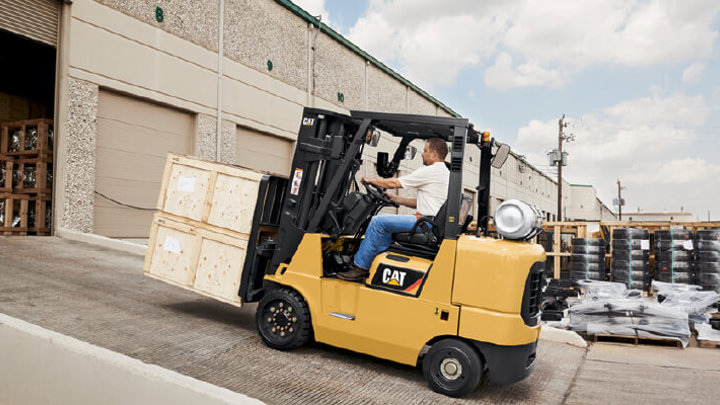
Operating Forklifts on Inclines, Ramps and Grades
Follow these six simple forklift rules of the road whenever operating a forklift on ramps, grades and inclines. Our forklift rules outline procedures when operating on a slope that could help improve efficiency at your workplace and help reduce forklift-related incidents.
Forklift Operation on Ramps and Grades
Suggested Keywords (use naturally):
forklift ramps, forklift grades, forklift slope safety, forklift ramp guidelines, OSHA forklift rules, forklift gradeability, forklift tip‑over prevention, safe forklift operation, warehouse safety, forklift training, material handling safety
Safe Forklift Operation on Ramps and Grades: 6 Essential Rules
Improper forklift operation on slopes, ramps, and grades can easily lead to incidents that impact both safety and productivity. To reduce risk, warehouse managers and operators should follow established best practices for moving forklifts up or down any incline. The six guidelines below can help create a safer work environment and reduce forklift‑related accidents.
1. Follow the Operation and Maintenance Manual (OMM)
Every forklift manufacturer provides an Operation and Maintenance Manual (OMM) outlining proper operating procedures. This manual should be a core part of all forklift training programs.
In addition to manufacturer guidance, federal and state OSHA regulations—as well as ANSI/ITSDF B56.1 standards—include important requirements for forklift operation on slopes. Keeping the OMM accessible and reviewing it regularly helps reduce risk to operators, pedestrians, and equipment.
If the manual for your forklift is missing, request a replacement from your local dealer.
What Is the Maximum Allowable Slope for a Forklift?
Each forklift includes a gradeability rating, which indicates the steepest grade the lift truck can climb or stop on while carrying its full rated capacity. Some forklifts can handle grades as steep as 40%, depending on the model and power source.
How to Calculate Ramp or Slope Grade
Measure your ramp’s rise (height) and run (length), then calculate the grade:
Grade (%) = (Rise ÷ Run) × 100
Example:
5 ft. rise ÷ 20 ft. run = 0.25 × 100 = 25% grade
2. Do Not Operate Order Pickers on Ramps
Most manufacturers prohibit operating or even traveling with order pickers on ramps or slopes. Always review the OMM for model‑specific restrictions. When in doubt, contact your dealer for clarification to avoid risk to operators and equipment.
3. Ascend and Descend Grades Slowly
OSHA standard 29 CFR 1910.178 requires that forklifts maintain a slow, controlled speed when traveling on grades. This applies whether the truck is loaded or unloaded. Additional guidance is provided in the ANSI/ITSDF B56.1 standard.
Slow, deliberate travel helps prevent loss of control, collisions, and tip‑overs.
4. Use the Correct Driving Direction on Ramps
New operators often ask which direction the forklift should face when traveling on a slope.
- Loaded forklifts: Always travel with the load pointing upgrade. This reduces the chance of the load sliding off the forks.
- Unloaded forklifts: Travel with forks pointing downgrade to improve braking performance and traction.
Never turn while on a ramp or grade.
5. Avoid Sudden Directional Changes
Forklifts can tip over if the operator attempts sudden directional changes or turns while on a slope. This risk exists whether the truck is carrying a load or empty.
To prevent accidents:
- Know your route before starting.
- Move slowly and steadily.
- Avoid turning or changing direction on any grade.
6. Apply General Forklift Safety Principles
Even when working on ramps, operators should apply all basic forklift safety knowledge learned during training. Proper load handling, awareness of surroundings, and adherence to standard safety procedures all help maintain a secure and efficient workspace.